
When to Replace Aging Sports Turf at Your Facility
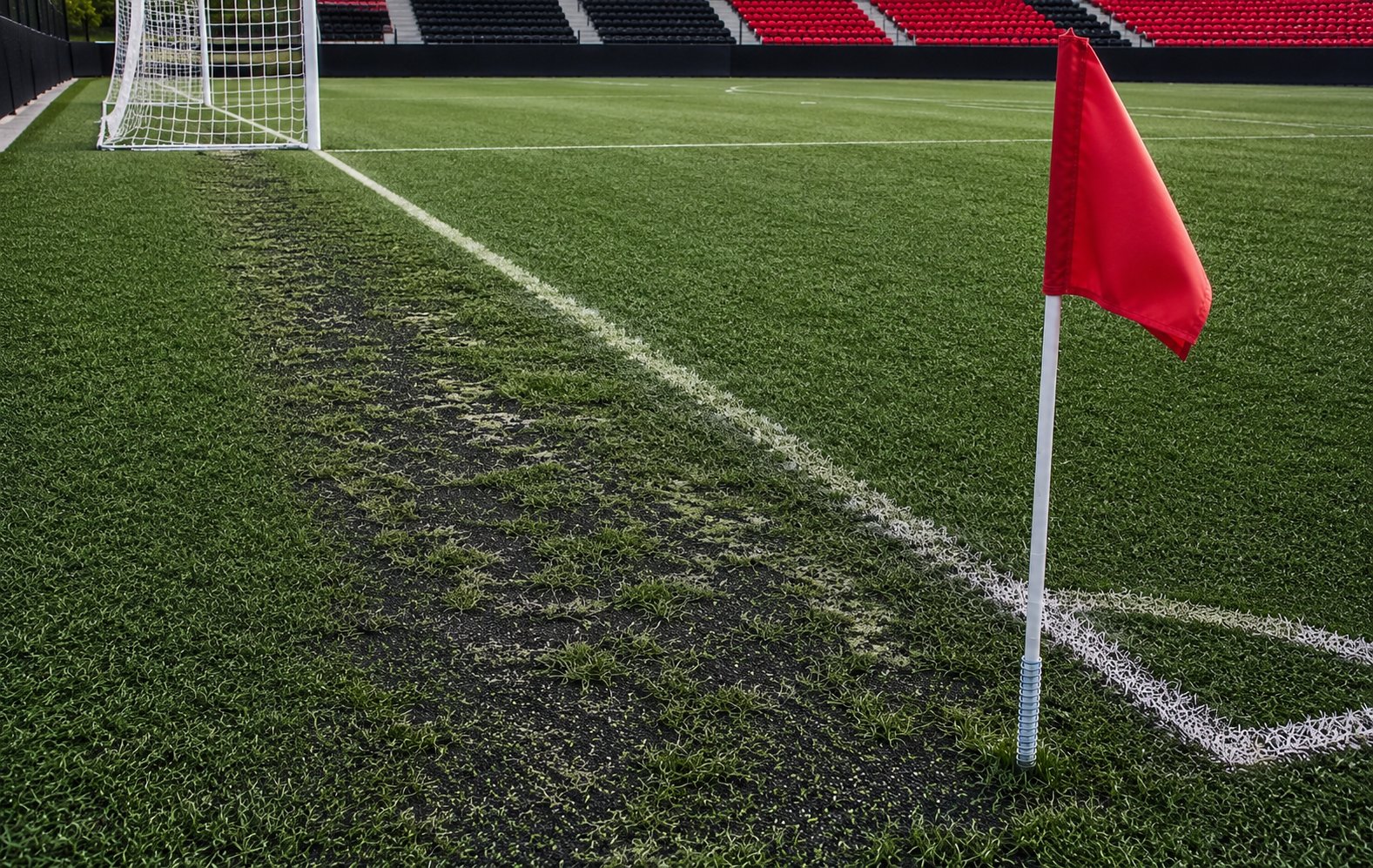
Every sports field has a lifespan, and the people who manage them usually sense the change long before they can put it into words. The bounce feels different underfoot, the color looks tired under the stadium lights, and players start asking why the surface no longer feels the way it once did. These small shifts are easy to brush aside during a busy season, yet they are often the earliest clues that a field is wearing out. Recognizing those signals early is the first step toward keeping your athletes safe and your facility looking its best.
We at Sports Turf Warehouse have spent years helping schools, clubs, and commercial facilities across Dalton and the wider North Georgia region decide when a field has truly reached the end of its run. From the Greater Chattanooga corridor to neighboring communities like Ringgold and Calhoun, our team understands the local climate and the heavy demands these surfaces endure. We know that timing a replacement well protects your budget and everyone who steps onto the field. The goal is never to replace too soon, but to act before wear turns into risk.
The Telltale Signs Your Field Has Reached Its Limit
Aging turf rarely fails all at once. Instead, it wears down gradually until a handful of small issues quietly add up into real safety concerns. Even the most durable athletic turf has a working life, and the surfaces that see the most action tend to show their age first. Knowing what to watch for helps you act before a minor problem becomes a costly one.
When Flattened Fibers Lose Their Bounce
The blades of a healthy field stand upright and spring back after every play. Over time, constant foot traffic mats those fibers down, especially in high-use zones like the center of the field and the goal mouths. Once the pile stays flat no matter how often it is groomed, the surface loses much of the cushioning that protects joints and softens falls. That loss of resilience is one of the clearest signs that replacement is on the horizon.
Seams, Tears, And Drainage Problems
Open seams and small tears are far more than cosmetic flaws. They create tripping hazards and tend to spread quickly under the stress of regular games and practices. If water begins pooling after a rainstorm or the infill has thinned out in patches, the backing and drainage layers may be breaking down underneath. When that foundation starts to go, a full replacement is usually the safest and smartest path forward.
Planning A Replacement That Lasts
Once you have decided the time is right, a little planning goes a long way toward a smooth and successful project. Replacing a field is a meaningful investment, and a few thoughtful steps help you protect that investment for many seasons. Keeping a simple checklist in mind makes the whole process feel far less overwhelming.
- Track the age and warranty of your current surface so a worn field never catches you off guard.
- Schedule the replacement during your off-season to avoid disrupting games, practices, and events.
- Inspect the base and drainage layers, not just the visible surface, before committing to a plan.
- Choose a pile height and fiber density that match the primary sport played on the field.
- Request samples so you can compare durability, feel, and color before you make a final decision.
Matching Turf To How You Play
The right surface depends entirely on how your space gets used week to week. Heavy-contact programs built around football and soccer fields need turf engineered for traction and shock absorption, while multi-use venues benefit from a more versatile build. Adding permanent markings, hash marks, or a center-field logo through our custom turf services gives a new field a polished, professional finish. Thinking through these details now means your replacement will look and perform the way you imagined for years.
Talk To Our Team About Your Next Field
If your field is showing its age, we would love to help you plan a replacement that fits your goals and your budget. Explore our full range of turf solutions and reach out whenever you are ready to talk through the possibilities. We are here to help you build a surface your athletes will be proud to play on.