
Excavating for Paws: Preventing Dogs from Digging Through Residential Artificial Lawns
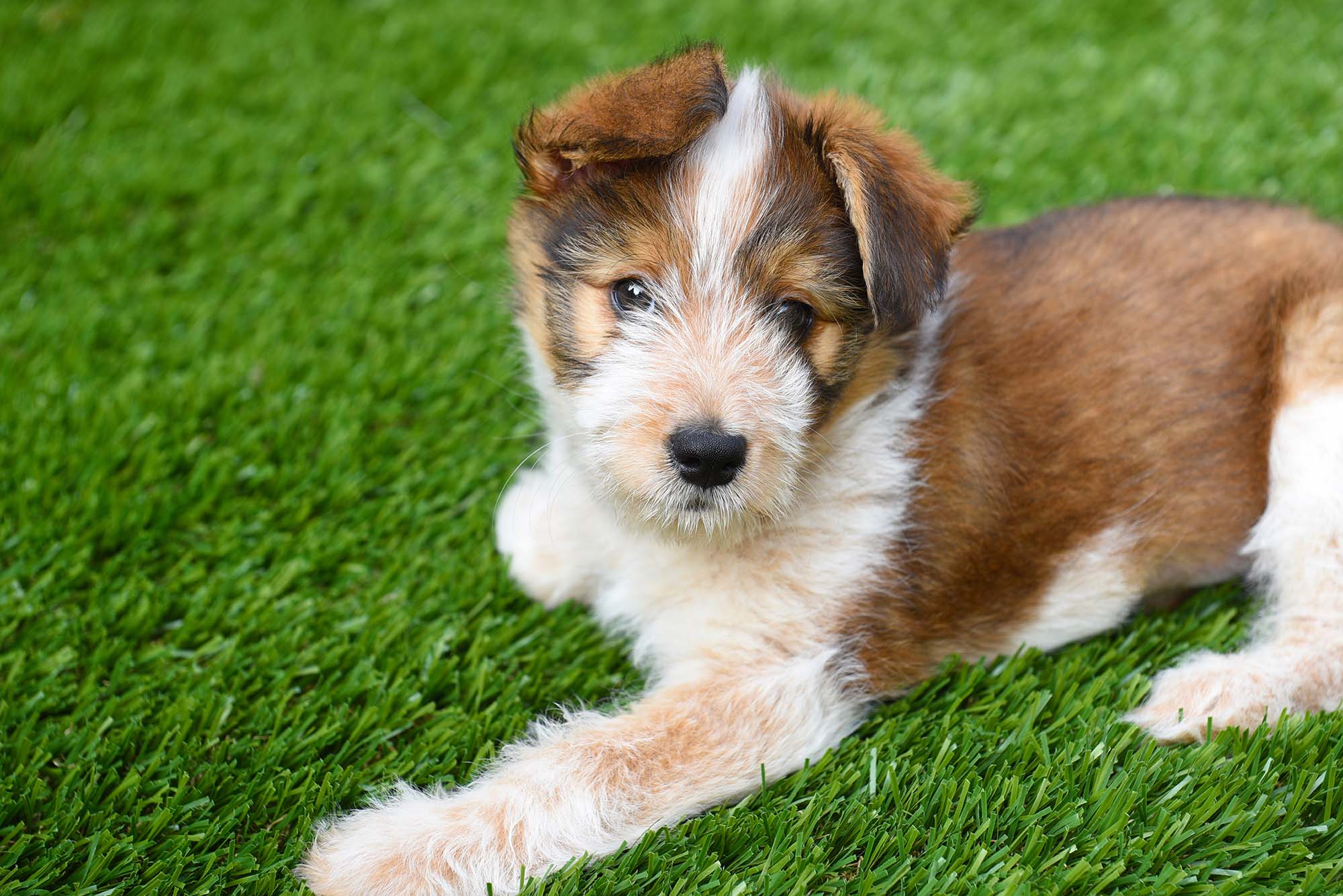
Active dogs turn backyards into excavation sites within minutes. When pets claw through standard sod, they leave behind muddy trenches, destroyed root systems, and ruined landscaping across North Georgia yards.
Switching to synthetic turf solves the mud problem, but energetic dogs often test the new surface with relentless pawing. Protecting your yard takes specific installation methods, heavy-gauge materials, and strategic reinforcement that keep synthetic blades intact through daily play.
At a Glance: Key Defenses Against Pet Digging
- Tough Backing Systems: Dual-layer polyurethane backings resist claw puncture far better than thin latex alternatives.
- Perimeter Anchoring: Perimeter stakes every six inches stop dogs from pulling up raw turf seams.
- Dense Infill Ballast: Heavy infill weights down turf fabric and blocks pet claws from hooking the mesh.
- Tough Fiber Blends: Polyethylene yarn handles rough paw abrasion across high-traffic pet runs.
- Under-Turf Wire Barriers: Sub-base wire mesh stops determined digging breeds before they hit aggregate rock.
Physical Root Causes of Dog Digging on Synthetic Lawns
Dogs dig out of instinct, boredom, scent tracking, or thermal regulation. Even without cool soil directly underneath, pets often scratch at turf seams if they detect small critters moving beneath the sub-base. In summer heat across Ringgold and Calhoun, dogs also scrape turf surfaces trying to find a cooler bed of earth.
Boredom amplifies scratch habits. If your dog finds a loose edge or a rippled seam, natural curiosity prompts them to pull at the backing until threads unravel. Heavy-duty Forever Pet RTY UH artificial grass stops turf damage early because dense tufting and rugged construction withstand sharp nails without tearing apart.
Secure Perimeter Installation Keeps Edges Locked Down
Edges represent the most vulnerable points for pet damage. Dogs rarely manage to tear through the center of a flat, properly weighted turf roll; instead, they target perimeter borders along fences, patio edges, and garden bed borders.
- Anchor Spacing: Drive five-inch to six-inch non-galvanized spiral nails every six inches around the perimeter rather than the standard twelve-inch spacing used for ornamental yards.
- Tuck Edges into Wonder Edge: Tuck every loose border into composite edging strips or bend down perimeter borders against a concrete curb so claws cannot slide underneath.
- Bury Wire Mesh Along Boundaries: Place a galvanized gopher wire or coated hardware cloth beneath your aggregate base near fence lines to create a physical block against tunneling.
- Heavy Aggregate Compaction: Compact three to four inches of crushed stone base using a vibrating plate compactor to eliminate soft pockets that dogs love to target.
A secure base protects the entire property. Quality installation practices lock every roll tight to the ground, keeping active dogs from gaining leverage on seam tape or base gravel.
Infill Density Blocks Claws and Secures Turf Backing
Raw synthetic turf without infill feels loose underfoot and leaves backing fabric vulnerable to claw damage. Adding infill gives the synthetic lawn necessary ballast, keeps the grass fibers standing vertical, and coats the backing with a protective shield.
Round silica sand or specialized antimicrobial pet infill works best for high-energy dog runs. Apply between two to three pounds of infill per square foot across your yard, concentrating extra weight along high-traffic fence lines. This heavy layer prevents paws from snagging the primary backing fabric.
Paired with a durable surface like Platinum Pet turf, the infill forms a dense shield that preserves backing integrity against repeated scratching.
Behavioral Deterrents and Outdoor Play Zones
Physical barriers protect your turf, but redirecting pet energy prevents persistent pawing along boundaries. Dogs often scratch at fence corners out of territorial habit or barrier frustration when seeing neighbors in Chatsworth or Whitfield County walking by.
- Create Dedicated Dig Pits: Build a small sandbox filled with pet-safe play sand in a designated corner to satisfy digging instincts without ruining the grass.
- Add Physical Shading: Position dog houses or shade sails over popular rest areas to stop pets from scratching for cool ground.
- Apply Natural Scent Barriers: Spray perimeter borders with diluted citrus water, rosemary oil, or bitter apple to discourage scent-based scratching.
- Increase Daily Stimulation: Introduce puzzle toys and regular fetch sessions to wear out active paws before backyard time begins.
Providing a designated digging box preserves your yard investment while giving your pets a clear outlet for their natural habits.
Build a Resilient Dog Run with Sports Turf Warehouse
Tackling aggressive canine digging begins with selecting thick, commercial-grade materials designed specifically for paws and heavy pet traffic. Standard decorative grass lacks the backing strength and tuft bind needed to endure sharp dog nails.
Visit our warehouse showroom in Dalton, GA to inspect pet-grade turf options in person and consult with our specialists. You can also request free sample pet turf shipped directly to your door to evaluate backing strength, blade density, and pet-friendly drainage right at home in Dalton, GA. Our team provides the rugged products and technical advice you need to build an evergreen backyard that handles tough play year after year.